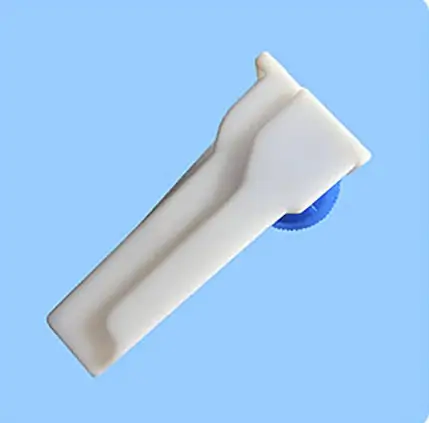
Moving beyond basic mechanical understanding, appreciating the specific clinical function the iv roller clamp serves in day-to-day flow rate management helps translate device knowledge into practical, confident clinical application. This overview focuses on how clinical staff actually use this component to manage patient fluid therapy.
Establishing Initial Flow Rate After Calculation
After calculating the appropriate drops per minute for a prescribed fluid order, clinical staff use the roller clamp to establish this initial flow rate, adjusting the roller position while counting drops in the drip chamber until the observed rate matches the calculated target.
Ongoing Monitoring and Readjustment
Gravity-fed IV administration requires periodic monitoring throughout an infusion, since factors like patient position changes or slight tubing kinks can affect flow rate over time, making regular roller clamp checks and readjustment an important ongoing nursing responsibility.
Rapid Rate Adjustment for Changing Clinical Needs
When a physician orders a change in fluid administration rate, whether increasing rate for a patient requiring more aggressive fluid resuscitation or decreasing rate due to a change in clinical status, the roller clamp provides the immediate mechanism for implementing this updated order.
Temporarily Stopping Flow Without Full Disconnection
The roller clamp also allows staff to temporarily stop fluid flow entirely by closing it completely, useful in situations requiring brief interruption of administration without needing to disconnect tubing or interrupt the overall IV setup.
Coordinating Roller Clamp Use With Secondary Medication Administration
When administering secondary medications through a Y-site, staff sometimes need to adjust the primary line’s roller clamp setting temporarily to manage the interaction between primary and secondary fluid flow, requiring clear understanding of how these components work together.
Documentation of Flow Rate Settings
Clinical practice typically requires documenting the established flow rate following roller clamp adjustment, supporting accurate record-keeping and providing a reference point for future monitoring throughout the course of the infusion.
See also: The Technology Behind Personalized Learning
Applying This Knowledge in Practice
For additional detail connecting roller clamp mechanics to practical clinical application, reviewing information on the iv roller clamp helps reinforce confident, appropriate use during everyday patient care.
Frequently Asked Questions
Why does gravity-fed IV administration require ongoing roller clamp monitoring? Factors like patient position changes or slight tubing kinks can affect flow rate over time, making regular checks and readjustment an important ongoing nursing responsibility throughout an infusion.
Can the roller clamp be used to temporarily stop fluid flow entirely? Yes, closing the roller clamp completely allows staff to temporarily stop flow without needing to disconnect tubing or interrupt the overall IV setup, useful for brief administration pauses.
Why is documenting flow rate settings important after roller clamp adjustment? Documentation supports accurate record-keeping and provides a reference point for future monitoring, helping ensure continuity and accuracy throughout the course of the infusion.
Final Thoughts
Understanding the practical clinical function of the IV roller clamp, from initial rate establishment to ongoing monitoring and documentation, helps translate basic device knowledge into confident, effective everyday nursing practice. This applied understanding remains central to safe gravity-based fluid administration.